computer forensics
A Computer Forensics investigation can be initiated for a variety of reasons. The most high profile are usually with respect to criminal investigation, or civil litigation, but digital forensic techniques can be of value in a wide variety of situations, including perhaps, simply re-tracking steps taken when data has been lost. This has the potential of developing both inculpatory and exculpatory evidence that without its use, will remain hidden.
One definition is analogous to "Electronic Evidentiary Recovery," known
also as
e-discovery,
requires the
proper tools and
knowledge to
meet the Court's
criteria,
whereas Computer
Forensics is
simply the
application of
computer
investigation
and analysis
techniques in
the interests of
determining
potential legal
evidence.
Another is
"a process
to answer
questions about
digital states
and events”.
The forensic examiner renders an opinion, based upon the examination of the material that has been recovered. After rendering an opinion and report, to determine whether they are or have been used for criminal, civil or unauthorized activities.
The
objective being
to provide
digital evidence
of a specific or
general
activity.
1-702-900-CORE (2673) Contact Us
data recovery
STORY: I'm notified by the client that a formerly trusted suspect has taken $500,000 from the joint business accounts. On his haste to leave town and change his identity, he forgets his office computer. After seizing the computer, and 13 hours of data recovery, I was able to recover a deleted file called "to do list." This document literally was his "to do" list on everything from bank withdrawals, to device destruction and his top choices on new places to live. He was captured several months later and this document proved intent, and sealed his guilty plea.
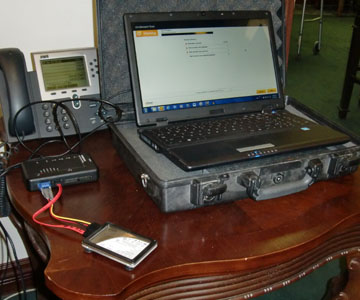
The main phases of a
Computer Forensic
investigation are:
secure the subject
system (from
tampering during the
operation); take a
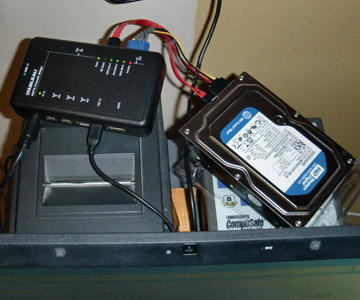
copy of hard drive
(if applicable);
identify and
recovery all files
(including those
deleted);
access/copy hidden,
protected and
temporary files;
study 'special'
areas on the drive (eg:
residue from
previously deleted
files); investigate
data/settings from
installed
applications/programs;
assess the system as
a whole, including
its structure;
consider general
factors relating to
the users activity;
create detailed
report.
Have you
noticed a suspicious
slow down of your
computer’s
processing without
any particular
reason? Unless you
run the correct
program, you will
not be able to
detect the real
problem in your
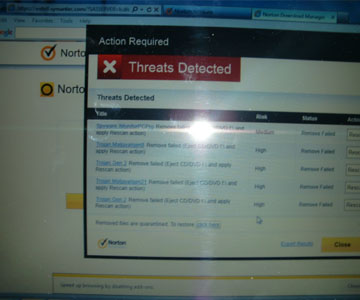
system: spyware and
adware.
Adware
are
unsolicited programs
that usually come
bundled with
freeware or
shareware. Spyware
on the other hand is
more covert and
usually undetected
in your system until
you run an anti
spyware program.
Spyware is used
exactly to spy on
you. In relatively
mild cases, spyware
is used to track
your Internet
browsing habits so
that the spyware can
report your
preferences to build
a marketing profile.
Core Group can covertly review your infrastructure and recommend lasting security solutions.
Only 47 percent of companies have confidentiality rules, and only 34 percent carry out security checks.
Security consciousness has substantially improved in large businesses but is still negligible in small and medium-sized venture companies that often drive innovation.
1-702-900-CORE (2673) Contact Us
computer espionage
The IT era has made it almost more important to safeguard technology than to develop it.
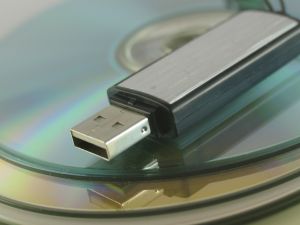
Cutting-edge core technologies can mean sink or swim not just for corporations but for nations. Yet we continue to hemorrhage technology. A simple Flash Drive walking out the door with your proprietary information can mean the end of your business. To stop that leakage of technology, we must urgently adapt the security framework to new threats.
The U.S. laws that are supposed to protect computer security
are minimal and the
odds of someone
getting caught,
using spy tactics
and vulnerabilities,
searching for
evidence, levels of
encryption, snooping
with keyloggers and
detecting keyloggers,
use of Trojan
horses,
eavesdropping on
networks,
eavesdropping on
Wi-Fi networks,
electromagnetic
eavesdropping is
slight unless
pre-emptive and
proactive measures
are taken.
We do have laws protecting business secrets, but they focus on punishment after the fact. What is needed is prevention. The most important thing is for individual businesses to build up their security infrastructure.
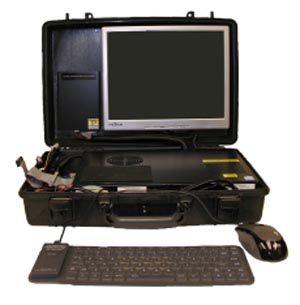
forensic workstation
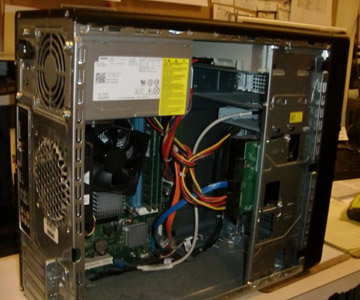
The Core Group employs a Forensic Air-Lite IV MK II, that may be brought to your place of business and is a quick reaction form of incident response and may also be carried on-board a commercial aircraft.
Computer Forensics is only a tool, it is not a substitute for investigation. But, with some estimates that 85% of the time, some evidence of illicit activity can be found on computers, it is a tactic we always consider and often use.